

 Facebook
 X
X
 Pinterest
 Copy Link
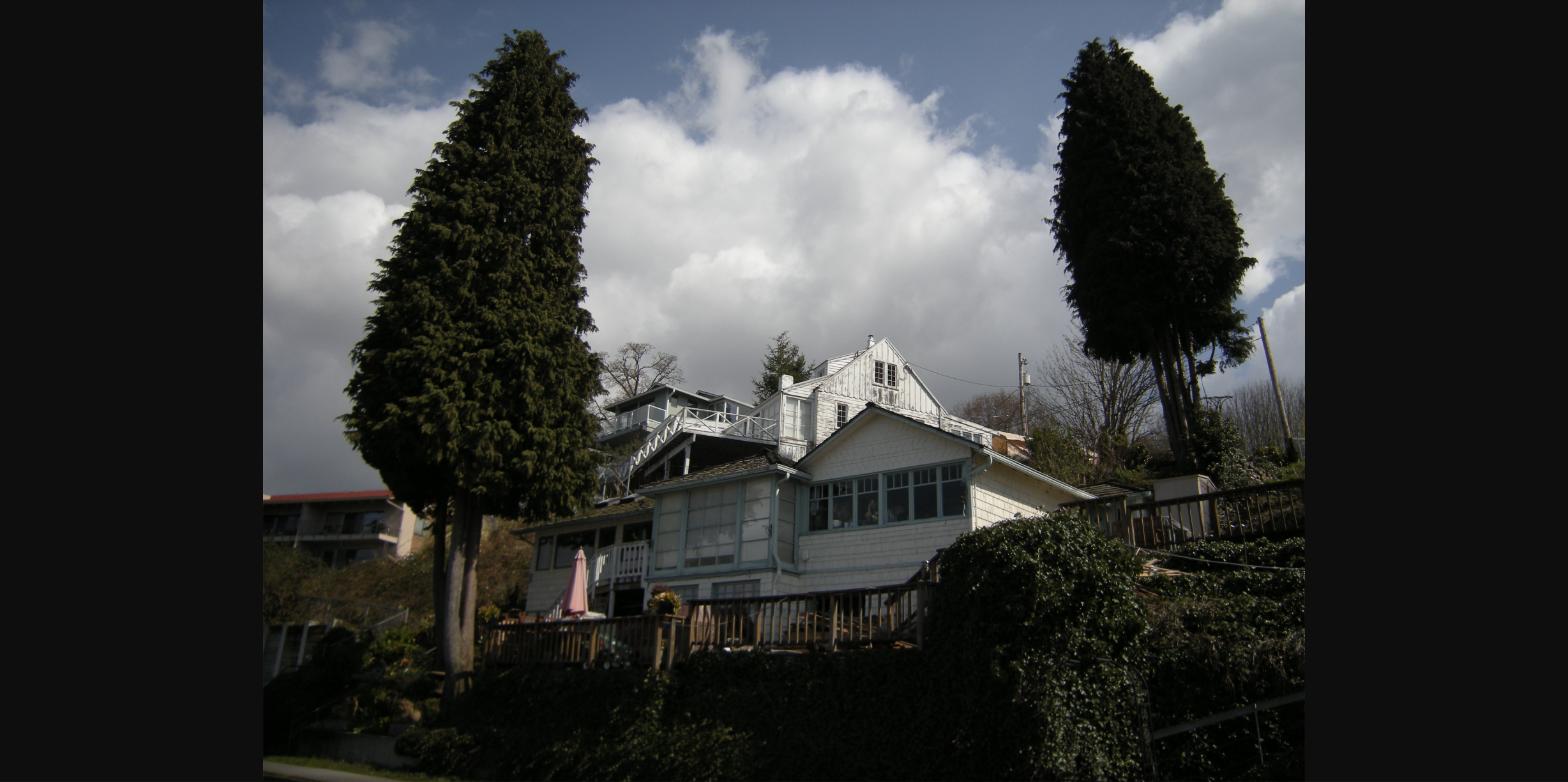
Every home tells a story, and a good inspector is trained to find the chapters the listing photos leave out. In the Pacific Northwest, our climate and our housing stock create a fairly predictable set of issues. Knowing what’s coming before your inspection day helps you stay calm, negotiate effectively, and avoid either walking away from a great house over a fixable issue or ignoring something that matters.
Attic Moisture and Mold
This is the single most common finding in our region. Constant rain combined with poorly vented bathroom and kitchen exhaust fans — ones that dump warm, moist air straight into the attic instead of outside — creates ideal conditions for mold on the underside of the roof sheathing. It’s usually a moderate-cost fix (re-routing venting, adding ridge or soffit vents, and remediating visible mold) rather than a deal-breaker, but it’s important to verify the source of moisture was actually fixed, not just painted over.
Basement and Crawlspace Moisture
The Pacific Northwest’s high water table and heavy seasonal rain mean basements and crawlspaces are prone to moisture — anything from musty odors to standing water after a hard rain. In crawlspaces specifically, inspectors are also looking for pest intrusion (mice and rats seeking a dry, warm space), and a degraded or missing vapor barrier, which is supposed to stop ground moisture from wicking up into the living space above. A sump pump, proper grading, and an intact vapor barrier go a long way here.
Older Electrical Systems
Homes built before the 1970s in our area sometimes still have original wiring, ungrounded outlets, or outdated panels. Knob-and-tube wiring in particular is worth flagging early — some insurers won’t write a policy on a home that still has it, which can complicate your closing if it’s discovered late. A licensed electrician can usually quote a panel upgrade or a partial rewire fairly quickly if your inspection turns up concerns here.
What to Actually Do About These Findings
An inspection report full of findings doesn’t automatically mean a bad house — most homes, especially anything more than 15-20 years old, will have a list. What matters is which findings are cosmetic, which are maintenance items you’ll want to budget for over time, and which are health-and-safety or structural issues worth negotiating over (a repair, a credit, or in rare cases, walking away). I always recommend getting at least a rough repair estimate before you decide how to respond to a report — a scary-sounding item on paper is sometimes a $400 fix.
Have Questions About a Recent Inspection?
If you’re mid-transaction and trying to figure out what’s negotiable and what isn’t, or you just want a second opinion before you make an offer contingent on inspection, email me at bmackcoldwell@gmail.com. I can also recommend inspectors I trust in Kent, Auburn, Federal Way, and Renton.
