Uncategorized September 9, 2026

Buying a Home as an Investor vs. as a Homeowner: How the Process (and Strategy) Differs

I work with both investor clients and traditional homebuyers throughout South King County, and while the paperwork looks similar on the surface, the two processes actually diverge in some important ways. If you’re doing this for the first time as an investor, or you’re a homeowner dabbling in your first rental purchase, here’s what’s genuinely different.

What You’re Actually Optimizing For

A homeowner is typically optimizing for lifestyle fit — school district, commute, layout, neighborhood feel, and how the home will serve their life for years to come. An investor is optimizing for numbers — rent-to-price ratio, appreciation potential, vacancy risk, and how the property performs on a spreadsheet. This isn’t just a mindset difference; it changes which listings are even worth touring. A layout that’s a dealbreaker for an owner-occupant might be irrelevant to an investor focused purely on rentability.

Financing Looks Different

Owner-occupied loans generally offer the best rates and the lowest down payment requirements, sometimes as low as 0-5% down with certain loan programs. Investment property loans typically require a larger down payment (commonly 15-25%), carry a somewhat higher interest rate, and involve more scrutiny of your overall financial picture, though many lenders will count a portion of projected rental income toward your qualifying income. Some investors use a strategy of buying as an owner-occupant first (living in the home for a period required by their loan program) before converting it to a rental later — worth discussing with a lender if that’s part of your plan.

The Inspection Priorities Shift

A homeowner inspection conversation is often emotional as well as financial — “can I live with this?” An investor inspection conversation is almost entirely financial: what will this cost to fix, and does it change the return? Investors are often more willing to take on a property needing work if the numbers pencil out post-renovation, where an owner-occupant may pass on the same property because they don’t want to live through a renovation.

Timeline and Flexibility

Investors are often more flexible on closing timelines and more willing to consider properties that need work, tenant-occupied properties, or off-market opportunities. Homeowners are usually working around a lease end date, a school year, or a sale of their current home, which can add real constraints to the timeline.

Whichever Side You’re On

Whether you’re house-hunting for yourself or building a rental portfolio, the fundamentals of a smart search — good data, a clear-eyed inspection strategy, and a realistic budget — still apply. Email me at bmackcoldwell@gmail.com and let’s talk about which approach fits what you’re trying to do.
Uncategorized September 9, 2026

Commute Reality Check: What Living in South King County Actually Means for Seattle Commuters

“What’s the commute really like?” comes up in almost every buyer conversation I have with people working in Seattle. The honest answer has changed significantly in the last year, and it’s different depending on which South King County city you’re looking at.

Federal Way Just Got a Major Upgrade

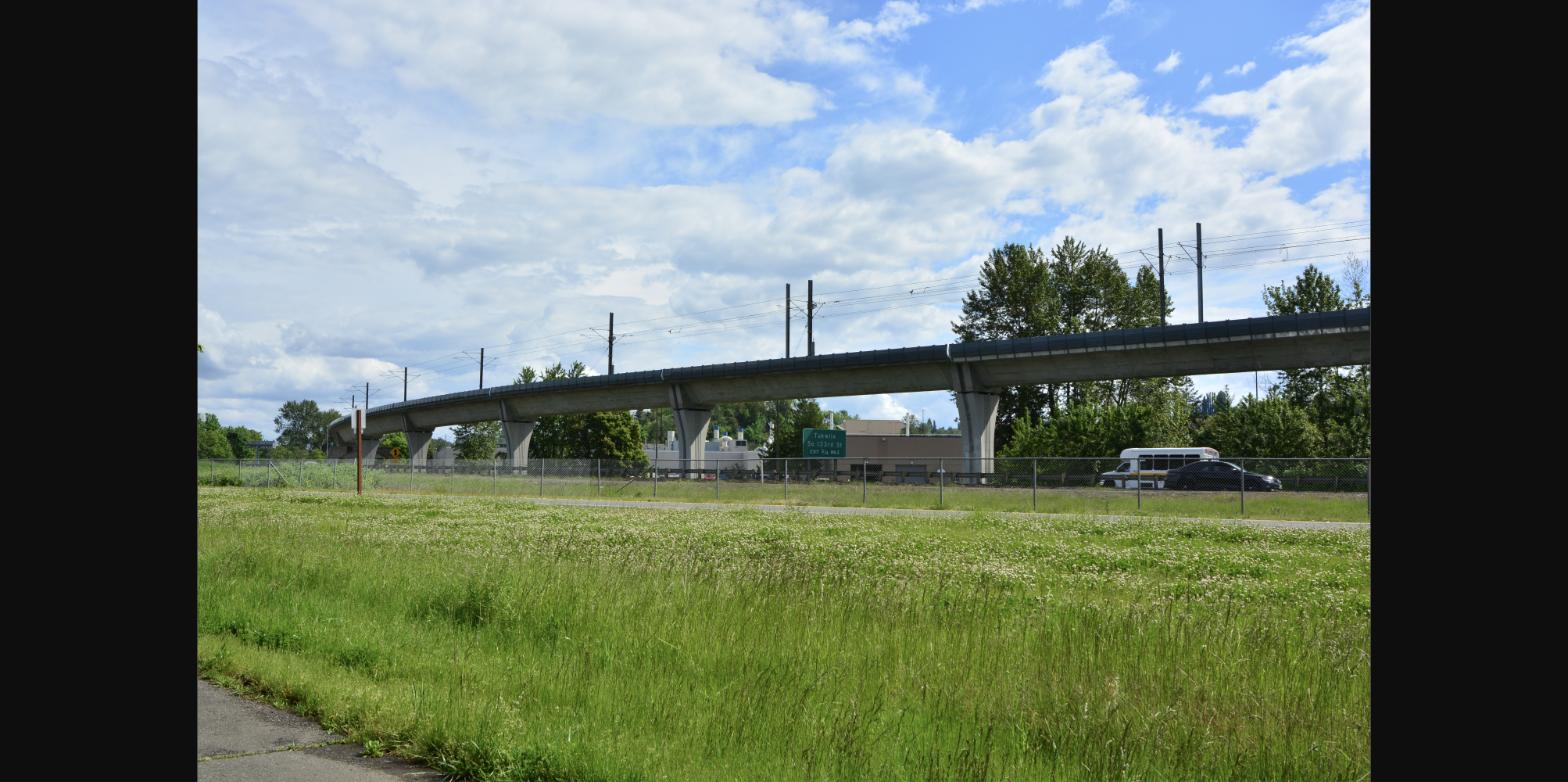
The Federal Way Link Extension opened in December 2025, adding three light rail stations — Federal Way Downtown, Kent Des Moines, and Star Lake — and connecting directly into Sound Transit’s 1 Line all the way to SeaTac, downtown Seattle, and north to the University of Washington and beyond. This is a genuine game-changer for Federal Way commuters: no more I-5 gambling on traffic, just a train with a predictable schedule. It’s also a big part of why Federal Way has seen the strongest home price appreciation of the four core South King County cities this year.

Kent Benefits From Its Neighbors

Kent doesn’t have its own light rail station, but its central location means residents can reach the Kent Des Moines or Federal Way Downtown Link stations, or connect via Sounder commuter rail and King County Metro bus routes, relatively easily. Kent’s position between SR 167 and I-5 also gives it strong highway access for drivers heading toward Seattle, Tacoma, or the Eastside via I-405.

Renton Is Still Waiting on Rail, But Change Is Coming

Renton doesn’t have light rail today, and that’s a real point of frustration for some residents given how much the area has grown. What is happening: Sound Transit’s Stride bus rapid transit program includes the S1 line connecting Renton to Bellevue along the I-405 corridor, alongside a new Renton Transit Center currently under construction and ongoing I-405 widening and express toll lane work designed to improve trip reliability. It’s not light rail, but it’s a meaningful upgrade to Renton’s transit options, and it’s part of why the city continues to see strong buyer interest despite the current lack of rail.

Auburn Relies on Sounder and the Highway Network

Auburn is served by Sounder commuter rail with a station connecting to Tacoma and Seattle, plus solid access to SR 167 and Highway 18. It’s the furthest south of the four core cities, so a Seattle commute here leans more heavily on the train or a longer highway drive than in Federal Way, Kent, or Renton.

What This Means for Your Search

If a predictable, traffic-proof commute into Seattle is a top priority, Federal Way’s new Link Extension puts it in a different category than it was even a year ago. If you’re more flexible on commute mode, all four cities have workable options today, with Renton’s transit picture actively improving.

Want help weighing commute against price and lifestyle for your specific job location? Email me at bmackcoldwell@gmail.com and I’ll help you map it out.

Uncategorized September 9, 2026

5 Mistakes Buyers Make When Competing in a Multiple-Offer Situation (And How to Win Without Overpaying)

South King County homes are still frequently going under contract in two to three weeks, and well-priced listings in Kent, Federal Way, and parts of Renton regularly draw multiple offers. Winning one of these situations without overpaying — or without taking on risk you don’t understand — comes down to avoiding a handful of common, expensive mistakes.

Mistake #1: Getting a Pre-Approval Instead of an Underwritten Pre-Approval

A basic pre-approval letter is based on what you told a loan officer, not verified documentation. A fully underwritten pre-approval (sometimes called a “TBD” or “loan commitment”) means your income, assets, and credit have already been verified by underwriting — only the specific property is left to confirm. In a competitive offer, this is a real differentiator that tells a seller your financing is far less likely to fall through.

Mistake #2: Setting an Escalation Clause Without a Real Cap

Escalation clauses (offering to beat competing offers by a set increment up to a maximum price) can help you win without overpaying — but only if your cap is based on real numbers: comparable sales, your actual budget, and your lender’s appraisal expectations. Setting an escalation cap out of adrenaline rather than analysis is how buyers end up over-leveraged on a home that doesn’t appraise.

Mistake #3: Waiving the Inspection Blindly

Waiving an inspection contingency to compete is common in hot markets, but “waiving the contingency” and “skipping the inspection entirely” are not the same thing. You can still pay for an inspection for information purposes — you simply give up the right to negotiate or walk away based on what it finds. Going in completely blind on an older South King County home, where moisture and electrical issues are common, is a real risk worth understanding before you decide to waive.

Mistake #4: Not Understanding the Appraisal Gap

If you win a bidding war above list price, the home still has to appraise at your offer price for your lender to fund the full loan amount. An appraisal gap guarantee (agreeing to cover some or all of the difference between a low appraisal and your offer price, in cash) can strengthen your offer — but only offer what you can actually cover if the appraisal comes in short. Know this number before you’re in a bidding war, not during one.

Mistake #5: Anchoring Only on List Price

In a hot listing, the asking price is often set intentionally low to generate multiple offers — it’s a starting point, not a market value estimate. Buyers who anchor on the list price and add “just a little more” to feel competitive are often still underbidding relative to where the market for that home actually is. Real comparable sales data, not the list price, should set your ceiling.

Get a Strategy Before You’re in a Bidding War

The best time to figure out your approach to escalation clauses, appraisal gaps, and inspection strategy is before you find “the one,” not during a 48-hour offer deadline. Email me at bmackcoldwell@gmail.com and let’s build your game plan in advance.

Uncategorized September 9, 2026

New Construction vs. Resale in South King County: Which Makes More Sense for You?

South King County has a healthy mix of active new construction and established resale inventory, which means most buyers here genuinely get to choose rather than settle for whatever’s available. Both paths make sense — the right one depends on your timeline, your tolerance for updating an older home, and what matters more to you: predictability or character.

The Case for New Construction

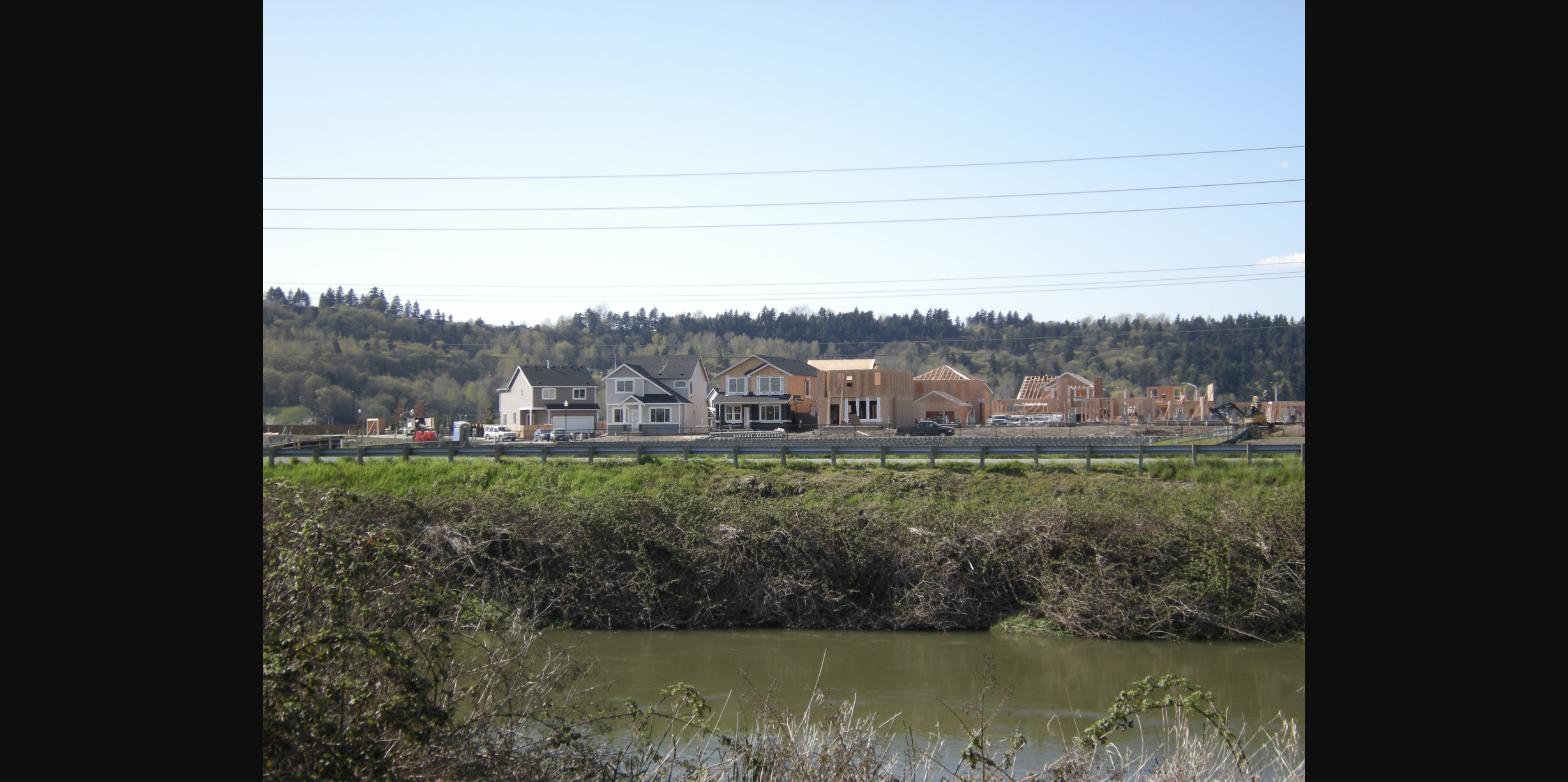
New builds come with builder warranties, current energy codes, and none of the deferred maintenance that comes with an older home — no 1980s electrical panel, no aging roof, no mystery in the crawlspace. You’ll also often get to choose finishes if you buy early enough in a development’s build-out. In parts of Auburn and Kent especially, new subdivisions are actively under construction right now, giving buyers real new-construction inventory to consider alongside resale listings. The tradeoffs: new construction often carries a per-square-foot premium over comparable resale homes, lots tend to be smaller, and you’re sometimes buying into a still-developing neighborhood without mature trees or an established feel.

The Case for Resale

Resale homes give you an established neighborhood, mature landscaping, and usually a larger lot for the price — especially in Auburn, Kent, and parts of Renton. You can see exactly what you’re getting (with the help of a good inspection) rather than relying on renderings, and negotiation is often more flexible than with a builder’s fixed pricing. The tradeoff is that you inherit the home’s age: older systems, and near-term maintenance that a new build won’t have for years.

Financing Differences Worth Knowing

If you’re buying a to-be-built home, your lender will likely use a different process than a standard resale purchase — sometimes a construction-to-permanent loan, sometimes a standard mortgage locked closer to completion, depending on the builder and the stage of construction. Rate locks and timelines work differently too, so loop your lender in early if new construction is on your list.

A Third Option: Newer Resale

Don’t overlook homes built in the last 10-15 years and now coming up for resale — you often get modern systems and layouts without new-construction pricing, plus an established neighborhood. This is frequently the sweet spot for buyers torn between the two paths.

Let’s Compare Real Options

The right answer depends entirely on your specific priorities and budget. If you want to see what’s actually available right now — new construction, resale, or that in-between newer resale category — email me at bmackcoldwell@gmail.com and I’ll put together a comparison tailored to you.

Uncategorized September 9, 2026

Investing in South King County Rental Properties: What Cash Flow Actually Looks Like Right Now

South King County has long been a target for Puget Sound investors priced out of Seattle and the Eastside, and that interest hasn’t slowed down. But “cash flow” gets thrown around loosely in real estate conversations, so let’s walk through how to actually calculate it using real current numbers. (Note: I’m a real estate broker, not a financial advisor — this is educational information to help you run your own numbers, not personalized investment advice.)

Start With Real Rent Numbers

As of late summer 2026, average asking rents in the area run roughly $1,900-$2,000/month for a 2-bedroom unit and $2,350-$2,480/month for a 3-bedroom unit in Kent and Federal Way, with Auburn and Renton in a similar range depending on the neighborhood and property type. A single-family rental will often command a premium over an apartment-style comp, but so does its cost basis — the comparison that matters is rent relative to what you actually paid for that specific property, not city averages.

The Cash Flow Formula

Cash flow is what’s left after every expense, not just your mortgage payment. The full list: principal and interest, property taxes, insurance, any HOA dues, a vacancy reserve (even great tenants turn over), a maintenance reserve (a common rule of thumb is 1% of the property’s value per year), and property management if you’re not self-managing (typically 8-10% of collected rent). Subtract all of that from your expected monthly rent, and what’s left is your actual cash flow — not gross rent minus mortgage.

Financing an Investment Property Is Different

Lenders treat non-owner-occupied properties differently than primary residences: expect a larger down payment requirement (commonly 15-25%, versus as little as 0-5% on some owner-occupied loans), a somewhat higher interest rate, and stricter debt-to-income scrutiny, though many lenders will count a portion of the property’s projected rental income toward qualifying. Run your numbers with both the higher rate and the larger down payment before you fall in love with a property’s gross rent potential.

Appreciation vs. Cash Flow

South King County has generally offered a more attainable entry point than Seattle proper or the Eastside, which is exactly what makes the cash flow math work better here for a lot of investors — a lower purchase price against comparable rent tends to produce better day-one cash flow. That said, markets move at different speeds by city: Federal Way has shown the strongest price appreciation of the four core cities this year, while Renton’s median has cooled slightly. Whether you’re prioritizing cash flow today or long-term appreciation should shape which city and property type you target.

Want to Run the Numbers on a Specific Property?

If you’re evaluating a listing and want a second set of eyes on the real cash flow — not just the listing agent’s pro forma — email me at bmackcoldwell@gmail.com. I work with investor clients throughout South King County and I’m happy to run the math with you.

Uncategorized September 9, 2026

What a Home Inspection in South King County Actually Uncovers (And What to Do About It)

Every home tells a story, and a good inspector is trained to find the chapters the listing photos leave out. In the Pacific Northwest, our climate and our housing stock create a fairly predictable set of issues. Knowing what’s coming before your inspection day helps you stay calm, negotiate effectively, and avoid either walking away from a great house over a fixable issue or ignoring something that matters.

Attic Moisture and Mold

This is the single most common finding in our region. Constant rain combined with poorly vented bathroom and kitchen exhaust fans — ones that dump warm, moist air straight into the attic instead of outside — creates ideal conditions for mold on the underside of the roof sheathing. It’s usually a moderate-cost fix (re-routing venting, adding ridge or soffit vents, and remediating visible mold) rather than a deal-breaker, but it’s important to verify the source of moisture was actually fixed, not just painted over.

Basement and Crawlspace Moisture

The Pacific Northwest’s high water table and heavy seasonal rain mean basements and crawlspaces are prone to moisture — anything from musty odors to standing water after a hard rain. In crawlspaces specifically, inspectors are also looking for pest intrusion (mice and rats seeking a dry, warm space), and a degraded or missing vapor barrier, which is supposed to stop ground moisture from wicking up into the living space above. A sump pump, proper grading, and an intact vapor barrier go a long way here.

Older Electrical Systems

Homes built before the 1970s in our area sometimes still have original wiring, ungrounded outlets, or outdated panels. Knob-and-tube wiring in particular is worth flagging early — some insurers won’t write a policy on a home that still has it, which can complicate your closing if it’s discovered late. A licensed electrician can usually quote a panel upgrade or a partial rewire fairly quickly if your inspection turns up concerns here.

What to Actually Do About These Findings

An inspection report full of findings doesn’t automatically mean a bad house — most homes, especially anything more than 15-20 years old, will have a list. What matters is which findings are cosmetic, which are maintenance items you’ll want to budget for over time, and which are health-and-safety or structural issues worth negotiating over (a repair, a credit, or in rare cases, walking away). I always recommend getting at least a rough repair estimate before you decide how to respond to a report — a scary-sounding item on paper is sometimes a $400 fix.

Have Questions About a Recent Inspection?

If you’re mid-transaction and trying to figure out what’s negotiable and what isn’t, or you just want a second opinion before you make an offer contingent on inspection, email me at bmackcoldwell@gmail.com. I can also recommend inspectors I trust in Kent, Auburn, Federal Way, and Renton.

Uncategorized September 9, 2026

Washington State Down Payment Assistance Programs Buyers Don’t Know About

One of the biggest myths I run into with first-time buyers is that you need 20% down to buy a home in Washington. In reality, the Washington State Housing Finance Commission (WSHFC) runs several down payment assistance programs that can cover thousands of dollars of your down payment and closing costs — and most buyers have never heard of them.

Home Advantage

Home Advantage is WSHFC’s flagship program, pairing a competitive-rate first mortgage with down payment assistance of up to 4% of your loan amount (5% if you qualify for a conventional HFA Preferred loan), structured as a second mortgage with 0-1% interest and payments deferred for 30 years — meaning no extra monthly payment while you’re building equity. To qualify, you’ll generally need a minimum credit score of 620, a debt-to-income ratio under 50%, and household income under roughly $180,000, though limits vary by area. Buyers in higher-cost areas like Seattle can access enhanced assistance up to $55,000 or more.

House Key Opportunity

House Key Opportunity is designed around FHA, VA, and USDA loans and offers its own down payment assistance — up to $15,000 as a second mortgage at 1% interest, deferred for 30 years. Income limits run roughly $100,000 to $175,000 depending on your location and household size, and home purchase price limits vary by area as well.

Targeted and Needs-Based Programs

WSHFC also offers several more targeted programs worth knowing about: a Needs-Based down payment assistance option offering up to $10,000 for households earning under about $115,900 (or $147,400 in King or Snohomish County); a Veterans DPA program offering up to $10,000 at 3% interest; a HomeChoice Disability DPA offering up to $15,000 at 1% interest for buyers with a disability or a household member with a disability; and EnergySpark, which offers an additional rate discount for buyers purchasing an energy-efficient home. Some cities layer their own assistance on top — Seattle and Tacoma both run local programs that can stack with WSHFC assistance in the right circumstances.

What It Takes to Qualify

Every WSHFC program requires completing an approved homebuyer education course (available free online or through a low-cost self-study option) and working with a WSHFC-approved participating lender. Income and purchase price limits are recalculated periodically and vary significantly by county and household size, so the only way to know your real eligibility is to run your specific numbers with a lender who works with these programs regularly.

Let’s Find Out What You Qualify For

Down payment assistance can be the difference between buying this year and waiting three more years to save 20%. If you want to find out which of these programs you might qualify for, email me at bmackcoldwell@gmail.com and I’ll connect you with lenders who specialize in WSHFC programs.

Uncategorized September 9, 2026

How Much House Can You Actually Afford in South King County in 2026?

“How much house can I afford?” and “how much house can I get approved for?” are two very different questions — and mixing them up is the single most common budgeting mistake I see first-time and move-up buyers make. Here’s how to think through it with real South King County numbers.

Where Prices Actually Stand Right Now

As of mid-2026, median sale prices across South King County break down roughly like this: Auburn around $615,000, Federal Way around $625,000, Kent around $655,000, and Renton around $670,000. Federal Way has seen the strongest appreciation this year (+7.6% year-over-year), while Renton’s median has actually softened slightly (-7.6%) as that market cools from a hotter stretch. These are city-wide medians — individual neighborhoods and property types swing well above and below them.

What Today’s Rates Mean for Your Payment

As of early September 2026, the average 30-year fixed mortgage rate is running around 6.8%, with 15-year fixed loans closer to 6.0%. Rate matters as much as price: on a $625,000 home with 10% down, the difference between a 6.5% and a 7.5% rate is several hundred dollars a month. This is exactly why I built a free mortgage calculator — plug in the actual price, your down payment, and current rates, and you’ll see your real estimated monthly payment, including property tax, insurance, and any HOA dues.

A Simple Framework for Your Budget

A widely used starting point is the 28/36 rule: aim to keep your total housing payment (principal, interest, taxes, insurance, and HOA) at or under about 28% of your gross monthly income, and your total debt payments — housing plus car loans, student loans, credit cards — under about 36%. Lenders will often qualify you for more than this, especially with strong credit, but “what I can get approved for” and “what I’m comfortable actually paying every month” are not the same number. Build your own budget first, then let your pre-approval confirm it — not the other way around.

Don’t Forget the Full Monthly Payment

Your mortgage payment is only part of the picture. Property taxes in King County typically run in the neighborhood of 0.9-1.1% of assessed value annually, homeowners insurance varies by home age and location, and many newer communities carry an HOA. All of these are included in the calculator so you’re budgeting for the real number, not just principal and interest.

Get a Number You Can Actually Use

Run your own scenario with the mortgage calculator, then let’s talk about what that number actually buys in Kent, Auburn, Federal Way, or Renton right now. Email me at bmackcoldwell@gmail.com and I’ll help you turn a budget into a real search.

Uncategorized September 9, 2026

South King County Neighborhood Guide: Comparing Kent, Auburn, Federal Way, and Renton

“Which city should I actually look in?” is one of the first questions every South King County buyer asks me. Kent, Auburn, Federal Way, and Renton all sit within a 20-30 minute drive of each other, but they have real differences in price, commute, and day-to-day feel. Here’s an honest, side-by-side breakdown based on current market data.

Kent

Kent is the geographic and commercial hub of the Green River Valley — a mix of established residential neighborhoods, a walkable historic downtown, and one of the region’s largest industrial/warehouse employment bases. As of mid-2026, Kent’s median home sale price sits around $655,000, up slightly (+0.7%) year-over-year, with homes typically going under contract in about 15 days. Redfin rates it a “very competitive” market. Kent works well for buyers who want a central location with quick access to both SR 167 and I-5.

Auburn

Auburn tends to offer some of the most accessible price points in South King County while still delivering a genuine small-city feel, with a historic downtown core, its own school district, and easy access to the Green River and Muckleshoot area. Auburn’s median sale price is currently around $615,000, up 2.4% year-over-year, with a median of 18 days on market. It’s a strong fit for buyers who want more home and yard for the money and don’t mind a slightly longer commute north.

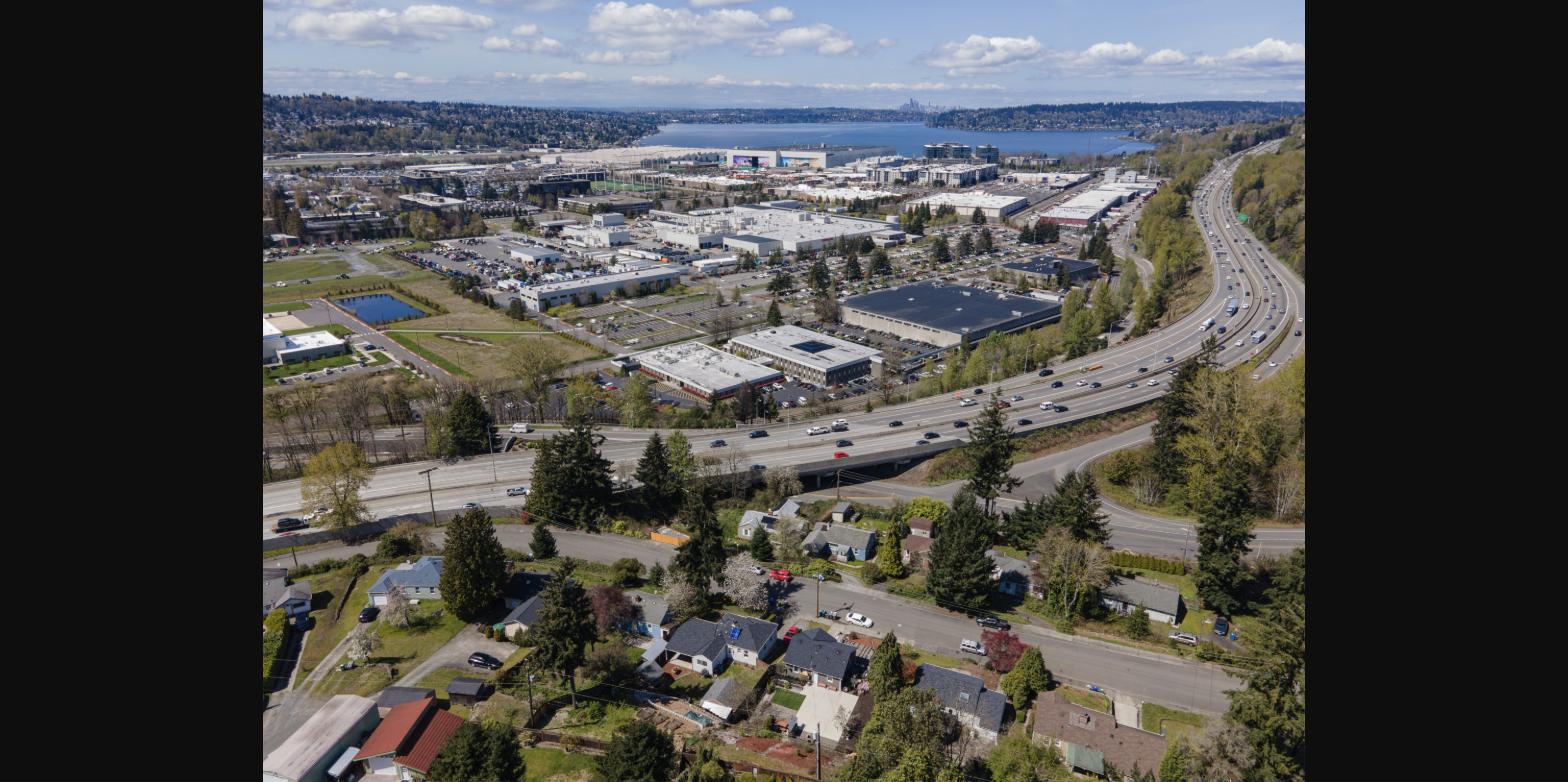
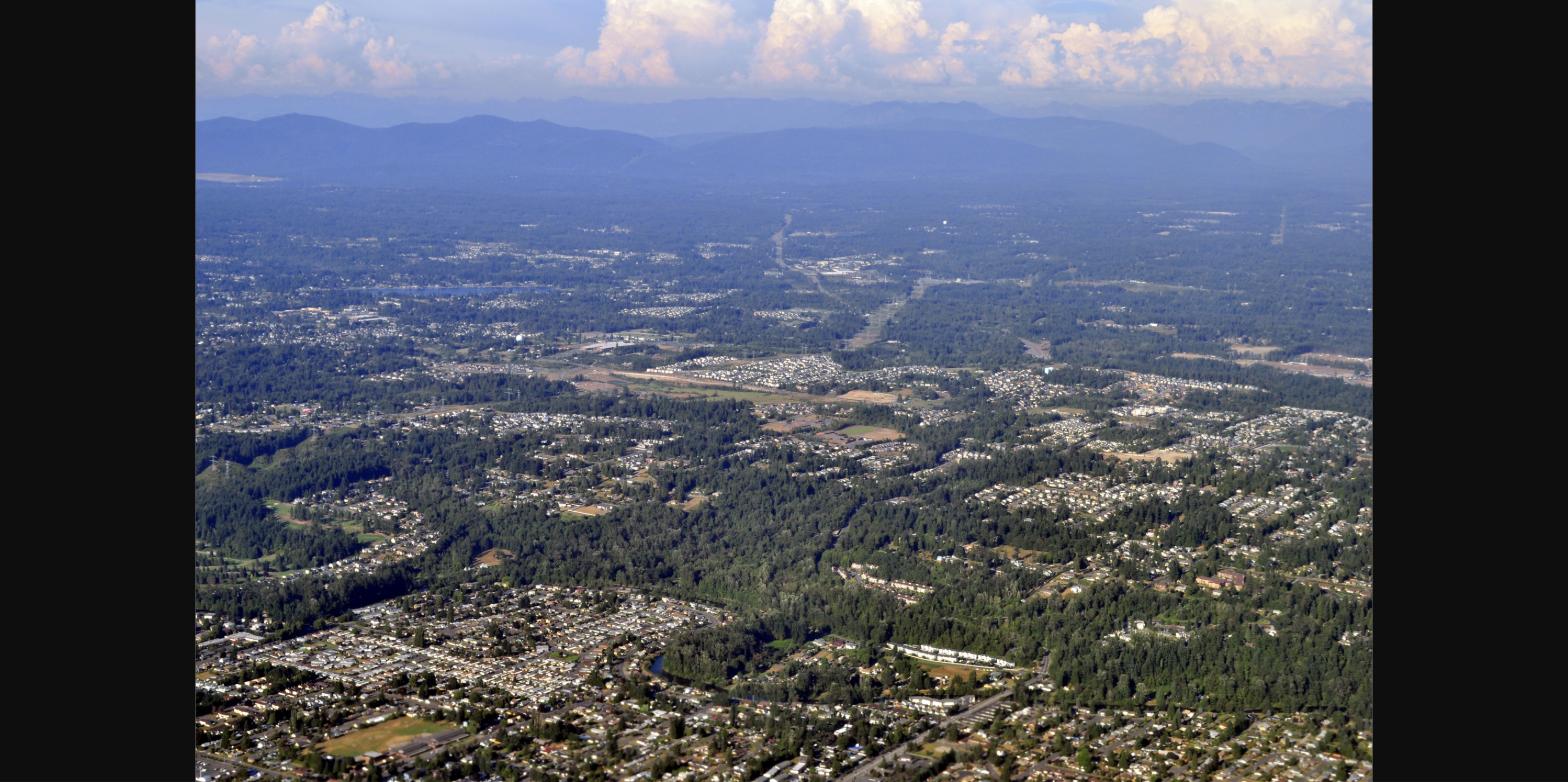
Aerial view of Auburn, Washington

Federal Way

Federal Way sits between Tacoma and Seattle along I-5, with a mix of established neighborhoods, newer townhome development, and direct waterfront access at Dumas Bay and Dash Point. It’s also home to the newly opened Federal Way Link Extension light rail station, a genuine game-changer for commuters. Federal Way’s median sale price is around $625,000, up a notable 7.6% year-over-year — the strongest appreciation of the four cities — with homes moving in about 14 days on average.

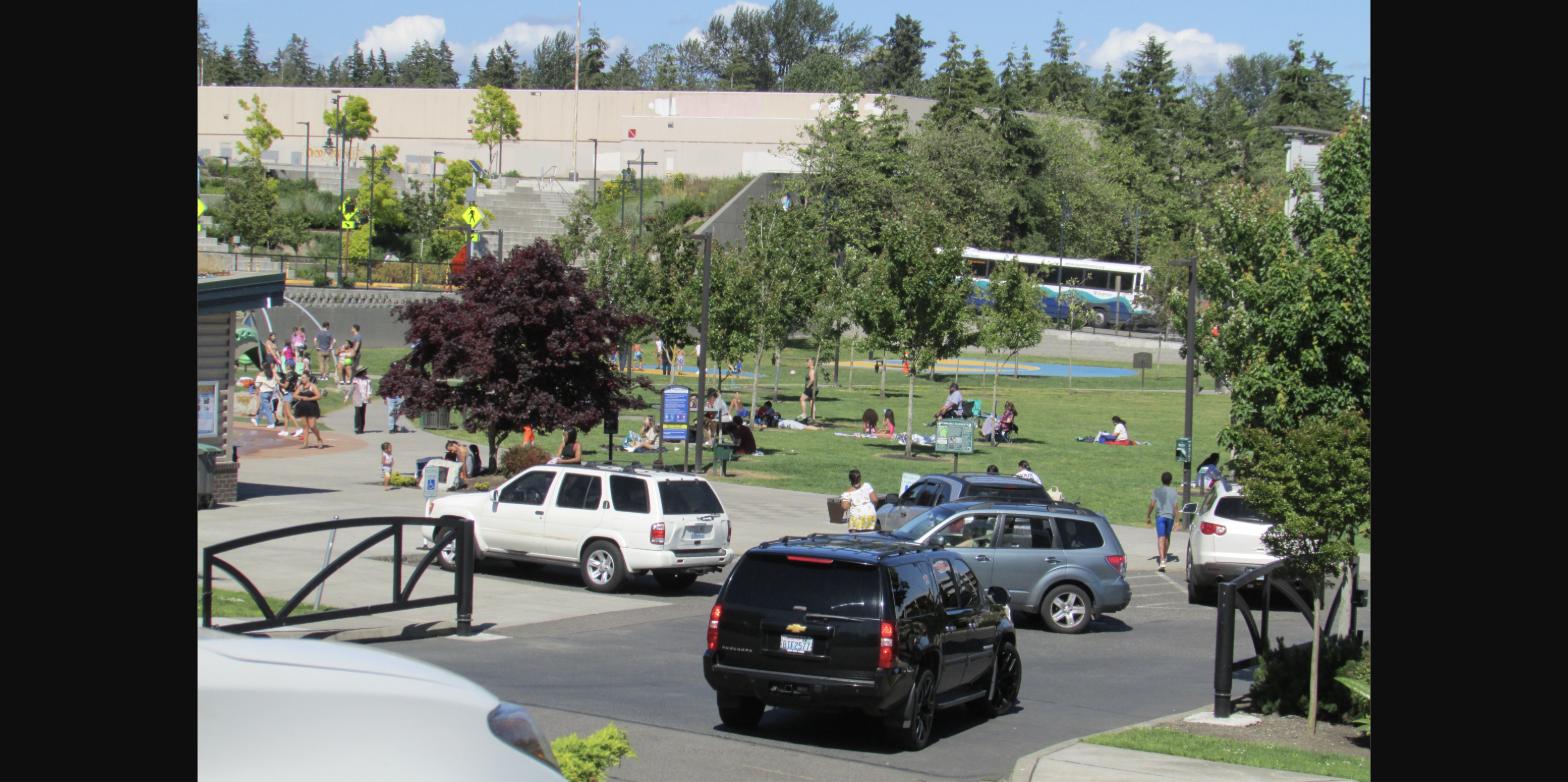
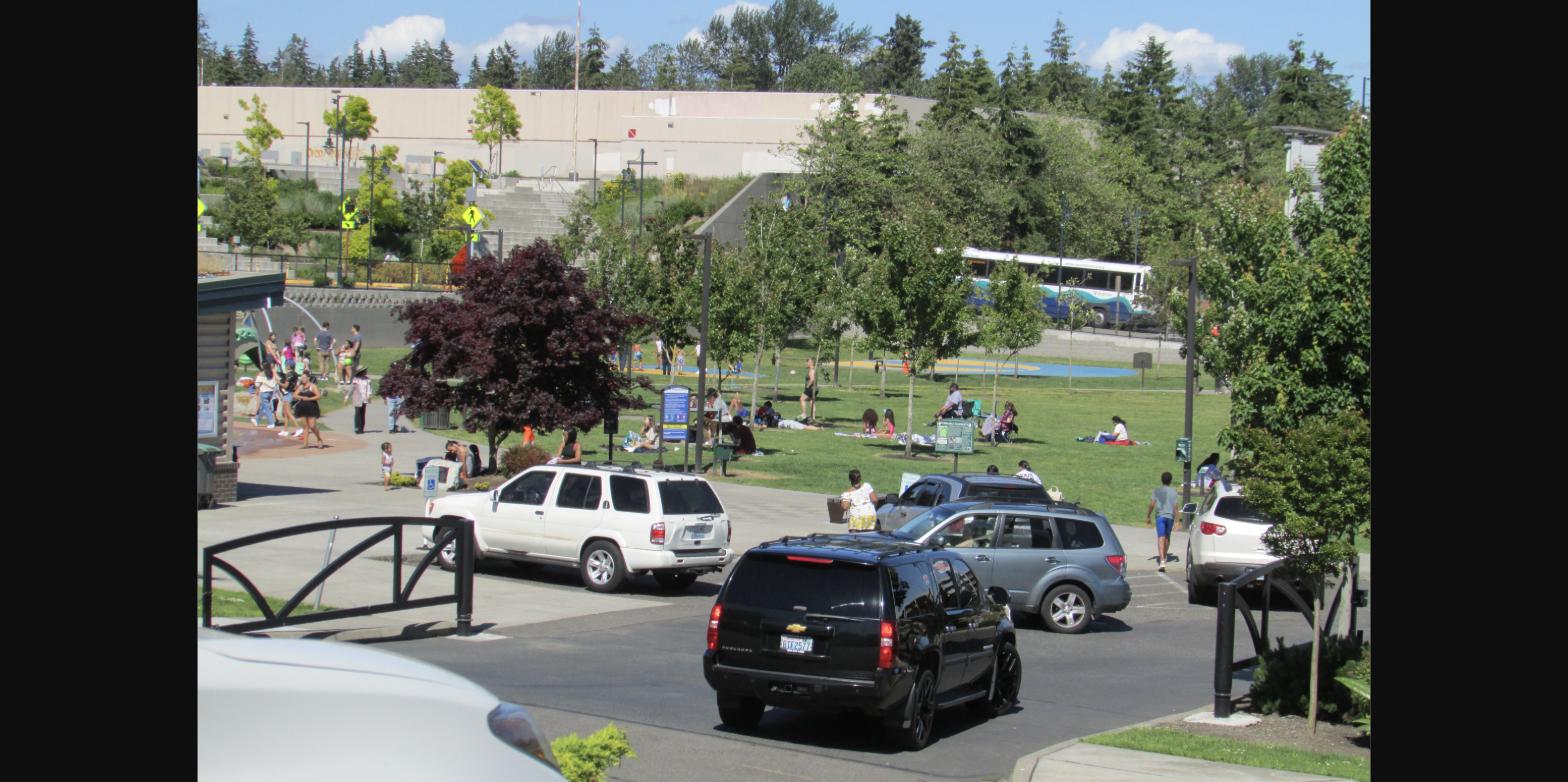
Town Square Park in Federal Way, Washington

Renton

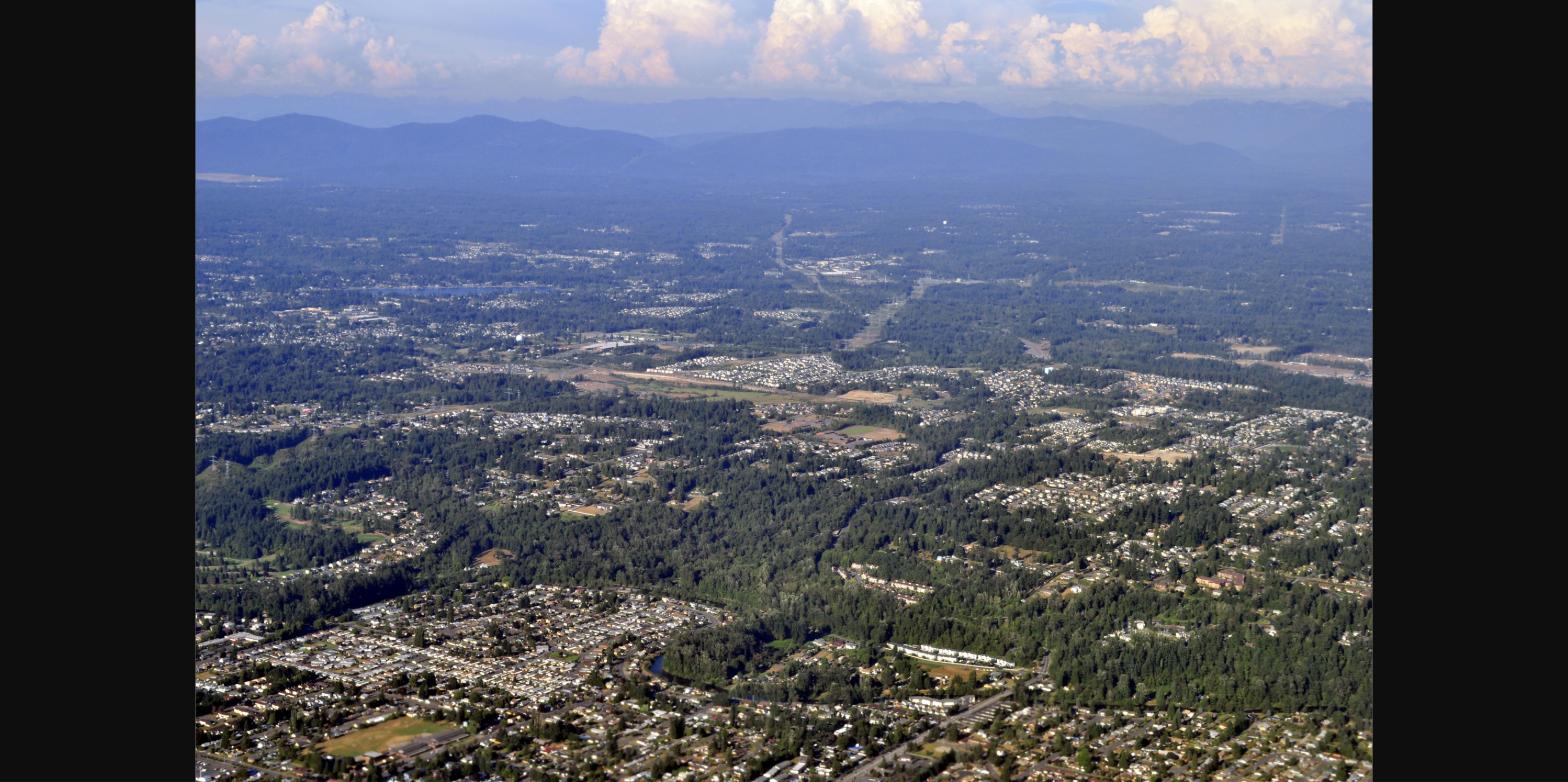
Renton is the largest and most economically diverse of the four, anchored by major employers along its south end and a revitalized downtown core near the Cedar River and the south tip of Lake Washington. It’s also the priciest of the group: the median sale price is currently around $670,000, though that’s down about 7.6% from a year ago as the market here cools slightly, with homes taking a bit longer to sell (18 days median). Renton doesn’t have light rail yet, but it’s the site of a new Sound Transit Stride bus rapid transit line and transit center currently under construction, plus ongoing I-405 corridor investment.

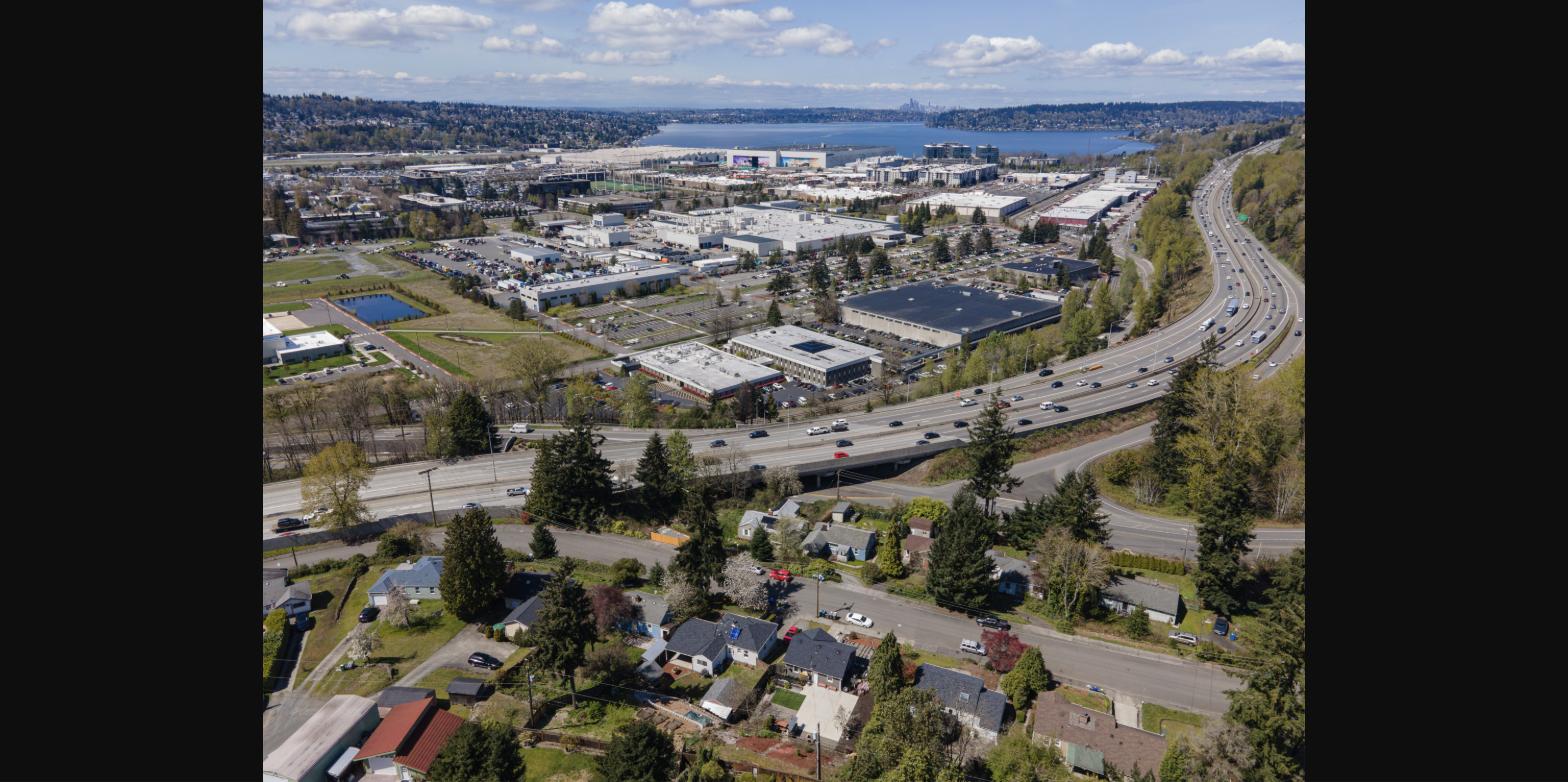
Aerial view of Renton, Washington

So Which One Is Right for You?

If budget is your top priority, Auburn currently offers the most room. If you want the momentum of new transit infrastructure, Federal Way’s Link Extension is hard to beat. If you want a central, walkable downtown, Kent is worth a close look. And if you want the widest range of housing stock and don’t mind paying a bit more, Renton delivers. Every one of these cities has neighborhoods that outperform their city-wide averages and others that underperform them — the averages are a starting point, not the whole story.

Want a tour that actually compares these areas side by side? Email me at bmackcoldwell@gmail.com and I’ll put together a custom list based on your budget and priorities.

Uncategorized September 9, 2026

First-Time Homebuyer’s Guide to South King County: What You Need to Know Before You Start Looking

If you’re starting your home search in the Seattle area, South King County — Kent, Auburn, Federal Way, and Renton — is worth a serious look. You get more house for your money, shorter commutes than you’d expect, and a genuinely attainable path to ownership. But buying your first home here still means navigating Washington-specific costs, timelines, and paperwork. Here’s what I walk every first-time buyer through before we ever tour a house.

Start With What You Can Actually Afford

Before you fall in love with a listing photo, get a real number. As of September 2026, the average 30-year fixed mortgage rate is running right around 6.8%, with 15-year fixed loans closer to 6.0%. That rate, combined with your down payment, property taxes, and insurance, determines your real monthly payment — not just the sale price on Zillow.

I built a free mortgage calculator specifically so you can plug in real South King County numbers and see your estimated payment before you start touring homes. Get pre-approved by a lender early — not just pre-qualified — so you know your number is real when you’re ready to write an offer.

Washington Down Payment Assistance You Probably Qualify For

A lot of first-time buyers assume they need 20% down. In Washington, that’s rarely true. The Washington State Housing Finance Commission (WSHFC) runs several down payment assistance programs, including Home Advantage and House Key Opportunity, that can provide a second mortgage worth thousands of dollars toward your down payment and closing costs, often at 0-1% interest with payments deferred for 30 years. Income limits, purchase price caps, and eligibility vary by county and household size. I cover the specifics in a dedicated post on Washington’s down payment assistance programs — it’s worth five minutes before you assume you can’t afford to buy yet.

What Closing Costs Actually Look Like Here

Washington doesn’t charge mortgage recording or transfer taxes the way some states do, but it does have the Real Estate Excise Tax (REET) — a graduated tax of roughly 1.1% to 1.28% on most home sale prices in our range, which sellers typically pay. As a buyer, plan to budget somewhere in the neighborhood of 2-3% of the purchase price for your own closing costs: loan origination and appraisal fees, title insurance, escrow fees, and prepaid property tax and homeowners insurance reserves. Your lender should give you a written Loan Estimate early in the process so there are no surprises at closing.

A Realistic Timeline

Once you’re pre-approved, expect roughly this sequence: touring homes and writing offers (this can take anywhere from a week to a few months depending on inventory and competition), then a 30-45 day escrow period once you’re under contract — which includes your home inspection, appraisal, and final loan underwriting. In today’s South King County market, well-priced homes are still moving in under three weeks on average, so it pays to be ready to move quickly once you find the right one.

Ready to Start Looking?

Every first-time buyer’s situation is different — your down payment assistance eligibility, your ideal city, your must-haves. I’d rather walk you through your specific numbers than have you guess. Reach out any time at bmackcoldwell@gmail.com and let’s map out your plan.